
Apartment Living Senior Safety Guide For Peace Of Mind
Living in an apartment as a senior feels like a fresh breeze—less clutter, fewer hassles, and helpful services just steps away. Smaller rooms mean less cleaning, and everything stays close, making daily tasks a breeze. Many older adults find apartment living suits their life like a perfect glove. But keeping things safe takes some clever tips—little tricks that stop big problems before they start. Knowing these secrets can turn daily life into a calm, worry-free adventure. Keep reading to find easy ways to stay safe and make every moment count.
This guide lays out practical steps to make apartment living safer for older residents. It covers home modifications, room setup ideas, emergency planning, building security and community resources. You will find concrete examples and simple actions you can take right away to reduce common hazards and build confidence at home.
Apartment Living Senior Safety Guide Getting Started
Begin with a focused walk through the apartment. Look at floors and rugs, lighting, entryways and bathroom setups. Take notes and prioritize fixes that reduce fall risk and improve access. Small upgrades often have big effects on everyday safety.
Ask friends, family or a trusted neighbor to join for a second set of eyes. Sometimes others notice trip hazards or awkward clearances that the resident no longer sees. Make a short list of quick wins and longer term projects to address in order of impact and budget.
Home Modifications That Reduce Fall Risk in Apartments
Falls are a top safety concern for older adults. Even minor changes can make a living space easier to move through and lower the chance of a slip or trip. Focus on the most common hazards and adapt the space to support steady movement.
Lighting and flooring
Improve lighting in hallways, stairwells and rooms where tasks take place. Replace low wattage bulbs with brighter warm tone bulbs and add lamps where overhead light is weak. Use night lights in bathrooms and bedrooms to make nighttime trips safer.
Check rugs for curled edges and replace high pile mats with low profile non slip versions. Choose flooring with some texture to reduce slipperiness. If installing new flooring is possible, pick surfaces with a moderate grip underfoot and avoid shiny finishes that can be slick.
Grab bars and rails
Install grab bars in showers and next to toilets where transfers occur. A vertical rail near the front door helps with balance when putting on and taking off shoes. When using grab bars, choose models rated for high weight and fasten them into studs or with proper anchors.
For stairs, add a clear handrail on at least one side and make sure it runs the full length. If the building stairway lacks a stable handrail, raise the issue with management and document the request in writing if needed.
Smart Layout and Furniture Choices for Safer Daily Life
Arranging furniture with movement in mind lowers daily friction and injury risk. Plan walking paths that are wide and free of clutter so reaching the living room, kitchen and bedroom is straightforward.
Clear pathways
Keep major pathways at least three feet wide and remove small tables or plant stands that sit in the flow. Anchor electrical cords along walls and use cordless lamps where possible. If a walker or cane is used, test the route while using the device to confirm smooth turning and clearance.
Consider a single level living arrangement when mobility is changing. If stairs are unavoidable, position primary activities on the lower level to limit daily trips up and down.
Seating and bed height
Pick chairs with arms and a firm seat so standing up takes less effort. A seated height between 17 and 19 inches is often easier to use than very low couches. Bed height matters too. A mattress that is too low or too high makes transfers harder. Place a small stable step next to lower beds if needed.
If replacing furniture is not an option, add firm cushions or risers to raise seating and reduce strain on knees and hips when rising.
Kitchen and Bathroom Safety Tips for Seniors in Apartments
Kitchens and bathrooms are frequent sites for injuries. Focus on reducing slips, simplifying tasks and keeping essential items within reach to limit bending or stretching that can cause loss of balance.
In the kitchen, arrange commonly used items at waist to shoulder height. Avoid using a step stool to reach high shelves. Use pots and pans with heat resistant handles and store heavy items low to reduce lifting risks.
In the bathroom, place non slip mats inside and outside the shower. A shower seat and handheld shower head can make bathing safer and more comfortable. Consider a toilet seat riser if transfers are difficult. Keep a towel or mat within arm reach of the tub and place soap and shampoo on accessible shelves to avoid stepping in and out with slippery hands.
Security and Emergency Preparedness for Apartment Residents
Good emergency planning and building security reduce anxiety and recovery time after incidents. Prepare for common scenarios such as power outages, falls and sudden illness.
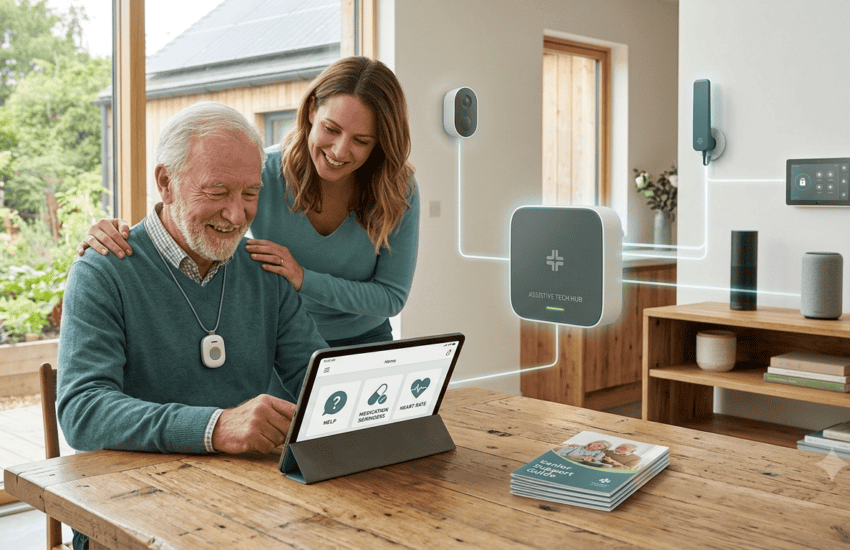
Install night lights in entryways and hallways and make sure door locks are in working order. Keep a charged phone near commonly used chairs and in the bedroom. For those with mobility challenges, a medical alert pendant that calls for help when pressed offers an added layer of protection.
Put together a small emergency kit. Include medications for several days, a list of medical conditions and contacts, a flashlight with batteries, a basic first aid kit and a portable phone charger. Store this in an easy to reach place so it is available if quick action is needed.
Community Resources and Support Networks in Urban Buildings
Apartment buildings often provide services and neighbors that can support safer living. Building management, neighbor networks and local agencies can be sources of help and intervention when changes are required.
Ask management about maintenance response times for safety concerns like loose railings or building lighting. If you are unsure where to find local services for seniors including transportation and home maintenance referrals, look up nearby community centers and aging resource offices.
For information on products and services tailored to older residents consider a reputable resource that lists modifications, vendor contacts and checklists. One such resource is available here senior safety solutions and it offers practical pages on common apartment adjustments and local services.
Checklist for Moving Into a Safer Apartment
When choosing or rearranging an apartment, use a checklist to compare options and track tasks. A structured approach makes decision making easier and reduces overlooked hazards.
- Entry and exit access review. Check locks, threshold height and lighting
- Bathroom safety items. Confirm presence of grab bars, non slip surfaces and reachable storage
- Kitchen function. Verify the stove, refrigerator and work surfaces are at comfortable heights
- Flooring condition. Note loose rugs, slippery finishes and plan fixes
- Stairway safety. Confirm handrails are present and sturdy
- Proximity to services. Note elevator access, distance to public transit and nearby clinics
- Noise and neighbor factors. Consider these for restful sleep and stress reduction
- Emergency plans. Record the building emergency contacts and nearest hospital directions
Use the checklist during visits and when speaking to management. If modifications are needed, get written confirmation from building staff about what will be changed and when. Keep copies of any correspondence so communication records are clear.
Practical Tips for Daily Routines and Care Partners
Small changes to daily habits lower risk without major expense. Wear shoes with grip inside the apartment instead of slippery socks. Keep a routine for medication times and set alarms if memory is a concern. Label cabinets with large print for easier finding of items.
Care partners and family can help by hosting a regular check in schedule. Simple calls or visits after high risk activities such as pharmacy trips or doctor appointments add an extra layer of safety. When visiting, look for changes in walking speed, new bruises or confusion that may signal the need for further evaluation.
Consider scheduled maintenance tasks like changing smoke detector batteries twice a year and testing carbon monoxide detectors monthly. Photograph important documents and keep a digital copy in case originals are lost.
Each apartment and resident has unique needs and limitations. The steps in this guide work in combination to lower risks and improve daily comfort. Start with simple changes and move toward larger projects as needed. If help is required for installation or assessment, local home repair programs or licensed contractors can take on heavier tasks and provide professional evaluations.
Living well in an apartment as a senior means paying attention to layout, daily habits, emergency readiness and building supports. Take action on a few items from the checklist each month and track progress. Reach out to building staff and community resources when projects exceed personal capability. When safety is part of the routine, independence and confidence grow. Consider reviewing the suggestions in this article and scheduling one specific upgrade this week such as adding a grab bar, improving lighting, or creating an emergency kit. If you would like curated local resources and a list of practical items to get started, make a plan with a trusted family member or neighbor and take the first step today.