
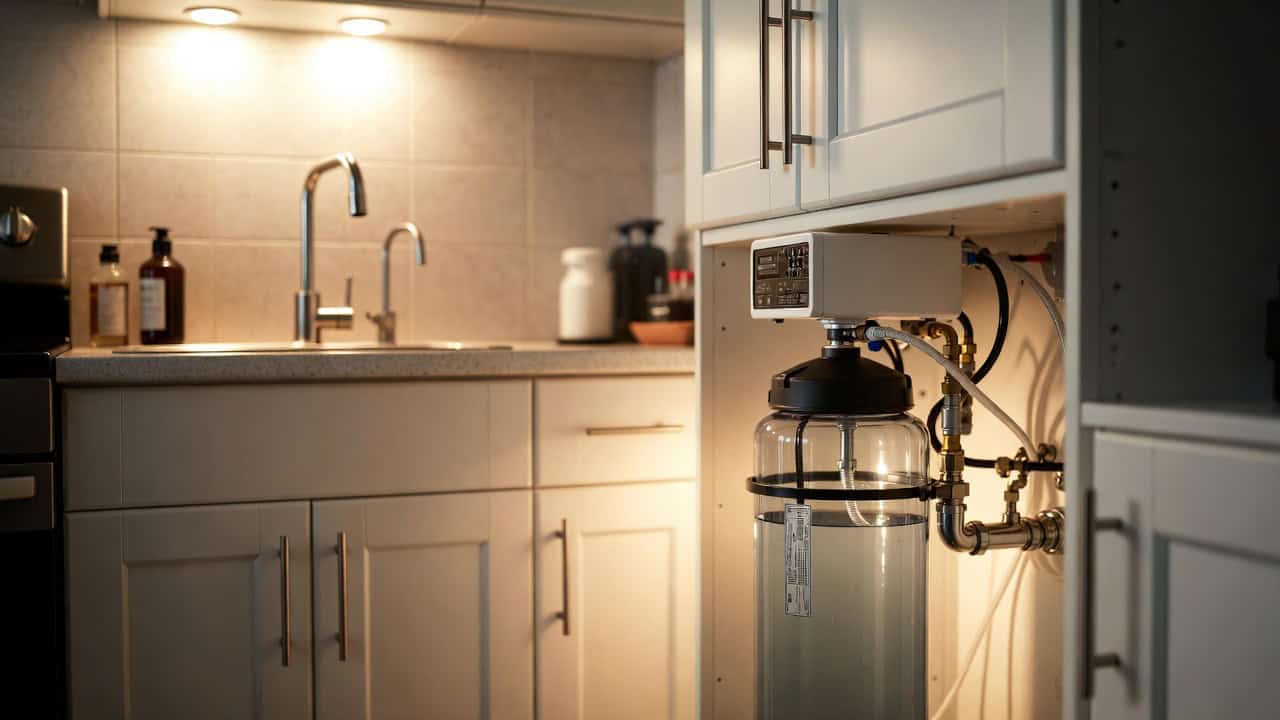
Water Filtration Installation Costs
Picking a water filtration system improves home health and makes life easier right away. The big question always comes down to how much it costs to install and keep running. Here’s a clear look at common expenses, a comparison of different system types, and the main factors that can change the final bill. Knowing this helps anyone wanting cleaner water make smart choices without surprises. Keep reading to discover what really shapes those costs and get the best value for your money.
Whether you are considering a small under sink filter or a whole house system, the numbers you see in ads are starting points. Real costs depend on system selection, the condition of existing plumbing, local labor rates, and ongoing filter and component needs. Read on for examples and tips that help you estimate true Water Filtration Installation Costs for your property.
Water Filtration Installation Costs that drive the final total
Several core elements determine what you will pay for a water filtration system installation. Consider these items as you compare quotes from suppliers and contractors.
- System price This is the base cost of the device, which can vary widely by technology and brand.
- Installation labor Electric and plumbing work influence the hourly time required, and labor rates vary by region.
- Materials and parts Extra piping, fittings, mounting brackets, and electrical wiring may be needed.
- Prep work If your home needs water line modifications or a new shutoff valve, expect added costs.
- Permits and inspection fees Some jurisdictions require permits for certain plumbing changes, which adds to the invoice.
Common system types and realistic price ranges
Understanding typical system categories helps set expectations for purchase and installation costs. These ranges include basic installation but not any major plumbing upgrades.
- Countertop and pitcher filters Entry level options cost under a few hundred dollars for the device, with no installation fee. These are quick solutions for taste and minor contaminant control.
- Under sink carbon filters Basic single or dual cartridge units typically run between a few hundred and eight hundred dollars installed. They improve taste and reduce chlorine and some organic contaminants.
- Reverse osmosis systems Point of use RO units usually begin around seven hundred and can reach two thousand dollars installed. These include a storage tank and require a drain connection, which adds to install time.
- Whole house systems These systems range from around one thousand five hundred to several thousand dollars installed. Prices vary based on media type, flow rate, and pre treatment needs.
- UV purification UV units sold as add ons often fall in the mid hundreds to low thousands, installed with wiring and plumbing work included.
Labor and installation factors that affect cost
Labor often represents a significant portion of the total price. A straightforward under sink install may take one to two hours while a whole house system can take a full day or more. Here are key labor related items to watch.
Permits and inspection impact
Some local codes require permits for new plumbing lines or changes to service equipment. Permit fees vary and inspections may require the installer to return, which increases time on site. Ask your contractor up front if permits are included in their quote.
Complex plumbing or electrical work
If your installation requires rerouting water lines, adding an electrical outlet for a booster pump or UV lamp, or moving components to a different room, labor and material costs rise. Older homes often need valve replacement or corrosion repair before a new system can be safely attached.
Maintenance and operating costs to factor in
Installation is only one part of lifetime expense. Filter replacement, periodic sanitizing, and any system repairs affect annual costs. Here are typical maintenance items to plan for.
- Filter cartridges Common replacement intervals are three to twelve months. Costs range from under twenty dollars for simple carbon cartridges to over a hundred dollars for some specialty filters.
- RO membranes These often last two to three years and can cost between fifty and two hundred dollars depending on the model.
- UV lamp replacement UV bulbs need annual replacement and cleaning, adding a recurring expense of roughly fifty to one hundred fifty dollars including labor if you hire a pro.
- Service visits Annual or biennial inspections can catch issues early. Budget a service call for around one hundred to two hundred dollars per visit depending on location.
DIY versus hiring a pro pros and cons
Some homeowners tackle installation themselves to save money. Others hire a professional to reduce risk and get faster results. For guidance on choosing a pro for complex installations, check out this resource for local service and cost references Plumbing Repairs.
Here are practical considerations for each approach.
- DIY Lower upfront cost when you are comfortable with basic plumbing. You must have the right tools, follow manufacturer instructions, and meet local code requirements. Mistakes can lead to leaks, poor performance, or voided warranties.
- Professional A licensed installer brings experience with complex routing, proper mounting, and any required electrical hookups. Professionals often handle permits and final testing so the system meets code and operates as intended.
How to estimate total project cost for your home
Estimating final Water Filtration Installation Costs involves adding system price, labor, materials, and a contingency for unexpected items. Use a simple checklist while getting quotes.
- Identify the system type and model you want
- Get itemized quotes from at least two installers that include labor hours and materials
- Ask about permit fees and whether those are included in the quote
- Include a contingency of 10 to 20 percent for unexpected plumbing or electrical needs
Example calculation for a midrange under sink RO system
- System cost estimated at 900
- Installation labor 2 hours at 100 per hour equals 200
- Extra piping and fittings 75
- Permit if required 50
- Subtotal 1225 plus 10 percent contingency 122.50
- Estimated total about 1347.50
Financing, warranties and saving tips
Many suppliers offer financing or monthly payment plans for larger projects. Warranties vary by manufacturer and installer, so read terms to confirm coverage for components, labor, and filter replacements. Here are a few practical ways to reduce total cost.
- Bundle work If you are planning other plumbing upgrades, combine them so labor is used efficiently.
- Shop for filter subscription deals Many manufacturers or third party suppliers offer subscription pricing for replacement filters that is cheaper than single purchases.
- Ask about seasonal offers Installers sometimes discount off season or offer package pricing for multiple units.
- Inspect existing plumbing Fix obvious corrosion or valve issues before installation, this minimizes stop work and change orders.
Choosing the right system for your needs also affects long term cost. A smaller point of use system will be cheaper up front, however if water quality issues are widespread in the home a whole house option may reduce cumulative maintenance and provide better protection for appliances.
Summary and next steps
Water Filtration Installation Costs vary widely based on system type, the complexity of the installation, local labor rates, and ongoing maintenance needs. A basic under sink filter can be a few hundred dollars, while whole house systems and reverse osmosis installations can reach several thousand. Factor in permit fees, materials, and an allowance for unexpected work when you request quotes. Keep a clear checklist and ask installers for itemized bids so you can compare offers fairly.
If you want a reliable estimate, start by testing your water so you choose the right technology, gather two or three written quotes that break down parts and labor, and compare warranty terms. Quick actions like confirming permit responsibilities and inspecting existing valves can reduce surprises on the day of installation. If you are ready to move forward, contact a licensed contractor for an on site assessment and a firm quote. Taking these steps helps you pick a system that matches your budget and water quality goals, while avoiding common cost overruns.