
Tuning Tips for Chainsaw Users
Keeping a chainsaw tuned right changes it from a pain to a trusty buddy that runs smooth every single time. Tuning helps the saw burn gas smarter, makes parts last longer, and gives cleaner, safer cuts. When chopping firewood, cutting branches, or sprucing up the yard, a sharp-tuned saw feels way easier to use and cuts down on those annoying breakdowns. Folks who want a dependable saw that saves time and hassle will see tuning as a total game changer. A little tune-up can turn outdoor work from a struggle into a breeze. Keep reading to find out how a simple fix can totally change your yard work.
This article walks through practical tuning tips for chainsaw users with examples you can try on a weekend. You will find clear steps, tool lists, and simple adjustments that many owners overlook. Read on to build confidence and get more reliable results from your saw starting today.
Why regular tuning matters for chainsaw users
A chainsaw is a tiny engine that works hard under variable loads. When the carburetor, ignition, chain, or fuel system fall out of spec the saw will cut poorly, use more fuel, or become unsafe. Tuning keeps the engine running in the right band and reduces wear on parts such as the cylinder, piston rings, and clutch.
Beyond engine life, tuning impacts cut quality. A correctly set chain and filing angle produce straighter cuts with less binding. A clean air filter and healthy spark plug help the engine start easier and idle more steadily. These benefits add up to less downtime and lower replacement costs.
Essential tools and safety steps before tuning
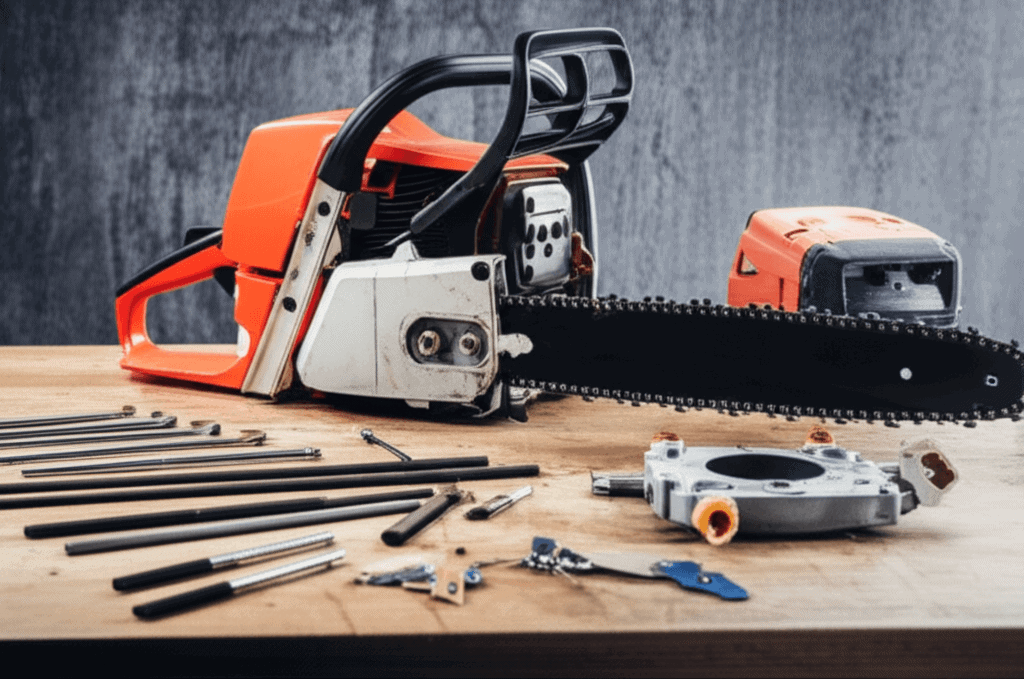
Before you touch adjustments, gather a small kit and follow safety steps. A few basic pieces of gear save time and reduce risk.
- Safety gear including eye protection and heavy gloves
- Screwdrivers both flat and Phillips for adjustment screws
- T-wrench or scrench that came with your saw for bar nuts and spark plug
- Round file and flat file matched to your chain pitch
- Depth gauge tool for setting raker height
- Feeler gauge for spark plug gap checks
- Carburetor adjustment tool if your model needs a specific wrench
Safety first. Park the saw on a stable surface, engage the chain brake, disconnect the spark plug lead when filing the chain, and allow the engine to cool before working on hot components. Also drain the fuel if you plan to remove parts that could leak.
Carburetor adjustments that improve engine response
Small carburetor tweaks have a big effect on how the saw reacts to throttle input. Most two stroke chainsaws have high and low mixture screws plus an idle speed screw. Make adjustments in small increments and test the saw under load to check results.
High and low mixture screws
The high screw controls fuel at full throttle and the low screw affects low revs. A good starting method is to warm the engine, then set both screws gently to where they lightly seat. Back each screw out one full turn and then fine tune in quarter turn steps. For a richer setting turn the screw counterclockwise slightly and for a leaner setting turn clockwise slightly. Listen for smooth acceleration and no popping when you open the throttle quickly.
Idle speed adjustment
The idle screw sets the speed when you are not holding the throttle. Your goal is a steady idle that does not drive the chain. Turn the idle screw until the engine runs smoothly, then check the chain brake. If the chain moves at idle back off the screw until movement stops. If the saw stalls when you blip the throttle, raise idle slightly and retest.
Chain and bar maintenance for cleaner cutting
Many cutting problems trace back to the chain and bar rather than the engine. Routine attention saves time during jobs.
Tension and tracking
Check tension after every refuel or run. A chain that is too loose can jump the bar and a chain that is too tight speeds wear on the clutch and bar. To set tension, loosen the bar nuts slightly then pull the chain along the top of the bar. It should move with a bit of resistance and snap back into place over the nose. Tighten the nuts and recheck after a test cut.
Filing cutters and setting depth gauges
Use a round file matched to your chain pitch to restore the cutter profiles. Work from inside the cutter to maintain the correct filing angle for your chain type. File each cutter the same number of strokes to maintain balance. After filing, use a flat file and the depth gauge tool to lower the raker height to the manufacturer recommended measurement. If rakers are too tall the cutters bite too little material. If rakers are too low the saw will grab and bog down.
Spark plug and ignition checks to improve start and idle
A worn or fouled spark plug causes poor starts and rough idle. Remove the plug for an inspection. Look for a light tan or gray insulator color when the engine is healthy. A black sooty plug signals a rich mixture or oil fouling. A very white plug indicates a lean condition which can overheat the engine.
Clean or replace the plug if necessary. Check the gap and set it within the range the manufacturer lists using a feeler gauge. If ignition problems persist check the spark strength with the plug removed while grounding the thread against the engine block and pulling the kickstart. Replace components like the coil or lead if the spark is weak or intermittent.
Air filter and fuel system care that extends life
A dirty air filter chokes the engine and leads to rich running. Foam filters can be washed and oiled lightly. Paper filters should be tapped out and replaced if clogged. When cleaning the carburetor and fuel lines be mindful of old gasoline. Gas that sits in a saw will break down and clog jets. Drain fuel for seasonal storage and replace it with fresh, properly mixed fuel.
Watch out for ethanol in fuel blends. Ethanol attracts moisture and can corrode small fuel components. Use fuel stabilizer for storage intervals and consider ethanol free fuel if long idle periods are expected. Replace fuel filters and clean the carburetor jets if you notice starved fuel flow or hard starting.
Step by step tuning checklist you can follow
Use this checklist the next time you bring the saw in for a quick tune. It works as a practical flow that beginners can follow and that more experienced users can adapt for different models.
- Cold start test to note any starting issues
- Inspect chain tension and bar condition
- Check chain oil flow and bar groove for wear
- Remove and inspect spark plug gap and condition
- Clean or replace the air filter
- Warm engine and adjust carburetor H and L screws in small turns
- Set idle and verify chain is stationary at idle
- Perform a cut test and listen for smooth throttle response
If you want a full tutorial with photos and model specific tips follow this practical how to tune a chainsaw guide which walks through each step and includes measurement ranges for the most common chainsaw models
Troubleshooting common issues and quick fixes
Here are some common symptoms and likely causes so you can diagnose problems faster.
- Hard starting check spark plug condition, fuel freshness, and choke operation
- Poor acceleration look at carburetor mixture being too rich or too lean and check air filter blockage
- Chain oil not reaching bar inspect oil outlet for blockage and verify oil pump operation
- Smoke during cutting could be dull cutters, incorrect chain lubrication, or overspeeding the engine under a heavy load
- Chain jumps tighten chain, check sprocket wear, and inspect bar nose for damage
When a quick fix does not solve the issue consider seeking service from a technician who can test compression and inspect internal wear. Regular small fixes prevent those larger repairs and help the saw keep a steady life span.
Maintaining a chainsaw is a mix of careful checks and small hands on steps that pay back in safer operation and lower running costs. Use the tool list and the checklist here to build a simple routine that fits your frequency of use. If you want more model specific instructions with photos and exact tuning ranges visit this step by step resource.
Take action this weekend by performing a quick inspection, replacing the filter and spark plug if needed, and checking chain tension. A regular habit of inspection and small adjustments will keep your saw reliable and comfortable to use. If you kept notes during your tuning sessions you will develop a pattern for replacement intervals and spot issues earlier. Now pick up the basic kit and give your saw a careful once over to enjoy cleaner cuts and fewer interruptions on your next job.